Applications & markets
A metal solution suited to many functions
Perforated sheet is found in many industrial, technical and architectural sectors. Thanks to the wide range of materials, hole shapes, opening sizes, pitches and open areas available, it can be adapted to very different functions.
Home » Applications
Perforated sheet can also be cut, bent, rolled, deep drawn, formed or assembled to become a functional part fitted directly into equipment or a machine. This processing capability goes beyond simply supplying a sheet and makes it possible to design components tailored to each need.
Ventilating, filtering, sieving, separating, protecting, cooling, draining, absorbing sound, letting light through or simply creating an attractive cladding: perforation gives a metal sheet a specific function while retaining the advantages of metal.
The choice of perforation depends directly on the application. The diameter or shape of the hole, the pitch between holes, their layout, the sheet thickness and the open area allow the behaviour of the part to be adapted to the required constraints.
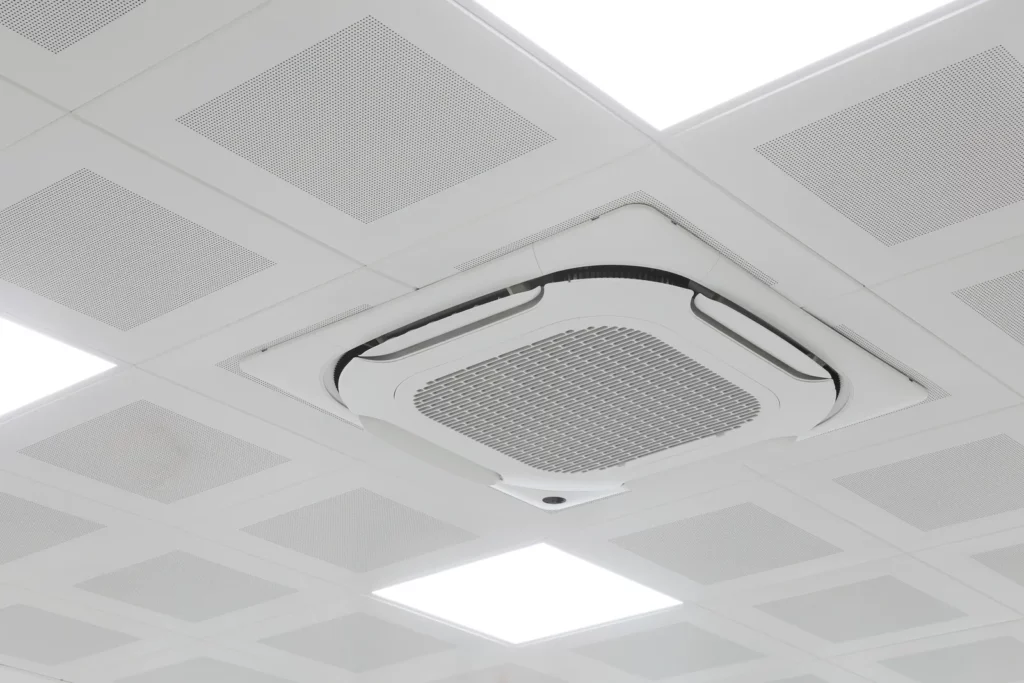
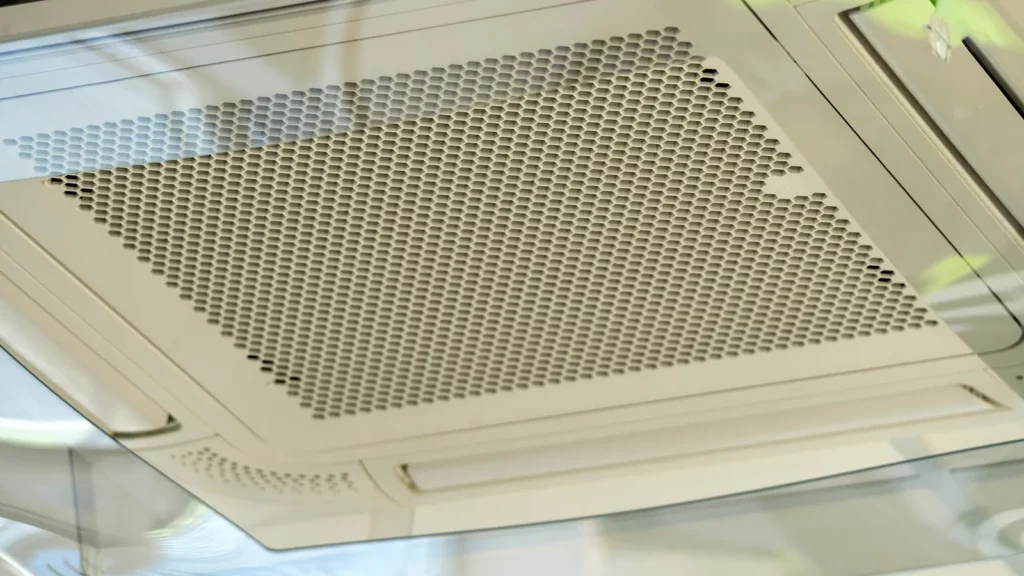
Perforated sheet is particularly well suited to applications that require controlled airflow.
It is used to make ventilation grilles, return and supply air grilles, air diffusers, ventilation panels, plenums, ventilated covers, fan guards, casings for chillers and heat pumps, and the façades and panels of air handling units.
The open area of the sheet is a key parameter: it determines the proportion of the surface available for air to pass through. The diameter, layout and spacing of the openings also affect flow conditions and pressure drop.
Perforation therefore allows a balance to be struck between airflow, pressure drop, mechanical protection and appearance.
In ventilation and air conditioning systems, it can also be combined with absorbent materials to help control the noise generated by equipment.
Applications: air handling units, air conditioners, heat pumps, fans, chillers, technical cabinets, data centres, electronic equipment and industrial machinery.
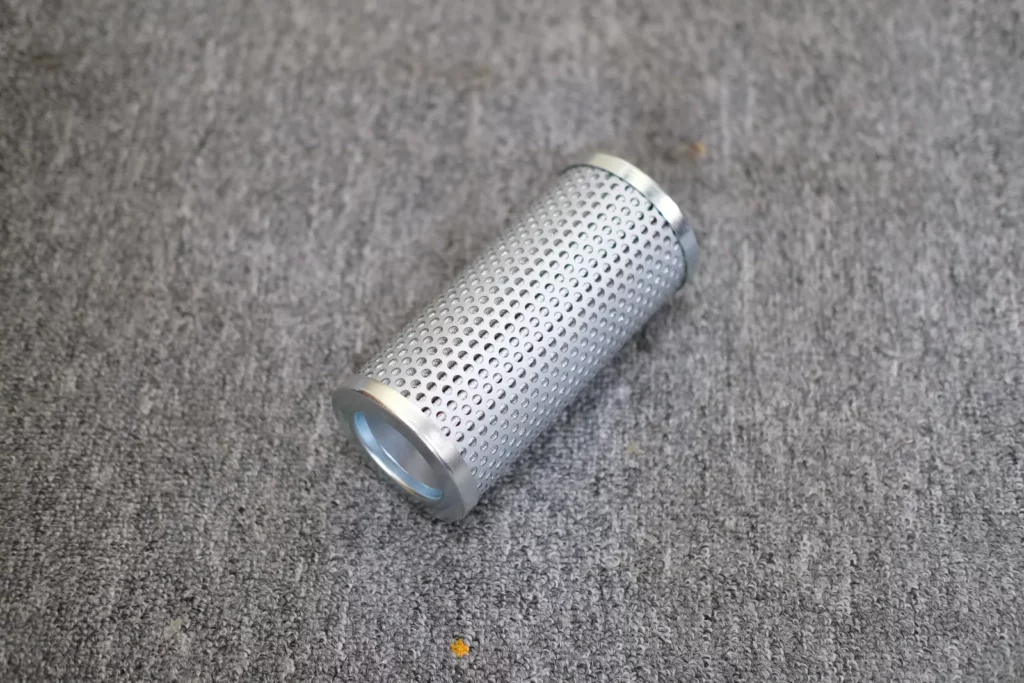
Perforated sheet is widely used in filtration and separation equipment.
Depending on the size of the openings, it can form the filtering surface itself or act as a mechanical support for a finer filter medium.
It is used to make filter discs, filter support plates and tubes, filter baskets, strainers, filter screens, coarse filters and filter media supports.
In these applications, the choice of perforation depends in particular on the size of the particles to be retained, the flow rate, the pressure, the temperature and the nature of the fluid.
Perforation also gives the structure good rigidity, producing elements that can withstand mechanical stress while keeping a large passage area.
Applications: air, water and gas filtration, fluid treatment, chemicals, petrochemicals, industrial equipment, pumps, filtration and water treatment systems.
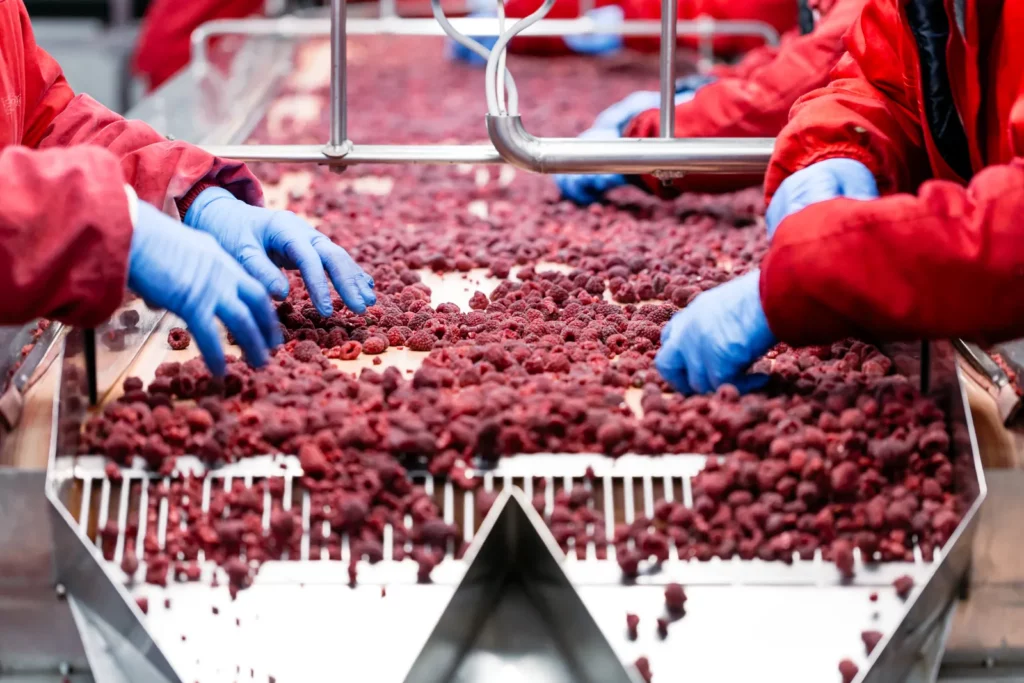
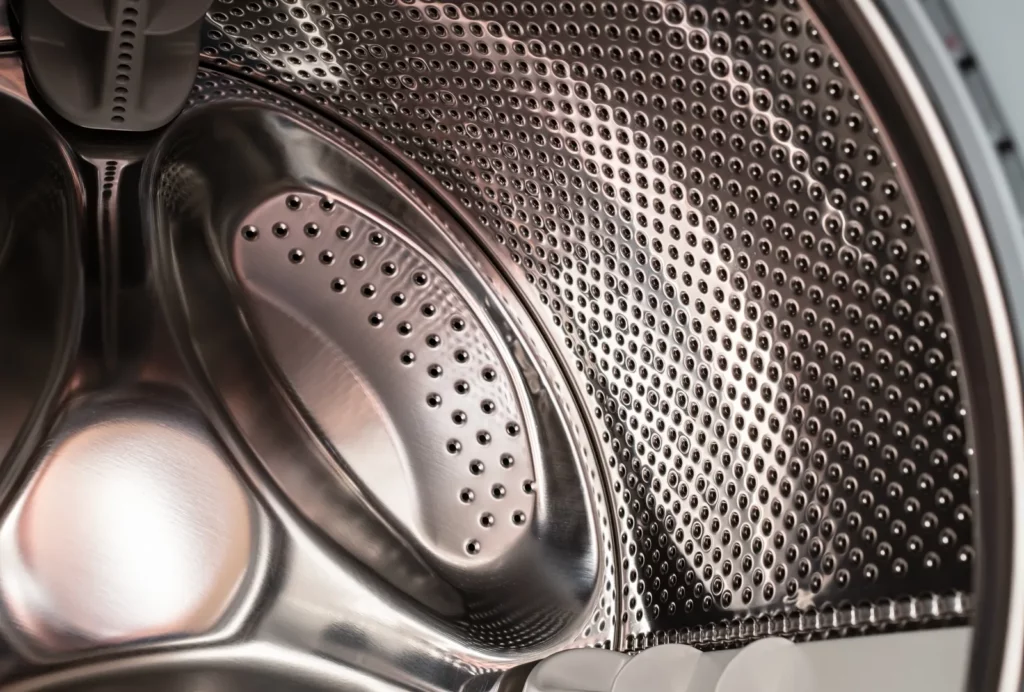
Perforated sheet is particularly well suited to sieving and screening when the aim is to separate particles according to their size.
The principle is simple: particles smaller than the opening pass through the sheet, while larger particles are retained.
The precise size of the openings ensures consistent, repeatable separation.
It is used to make industrial sieves, screening panels, sorting grids, vibrating or rotary screens, perforated drums and cylinders, and separation plates. The size of the openings determines which particles pass through the perforated surface and which are retained. This technology is used in quarries, mines, aggregate processing, recycling, agriculture, food processing, chemicals and waste treatment plants.
It can be used as flat panels but can also be rolled or formed to make drums, cylinders and other separation elements.
Applications: quarries, mines, aggregates, recycling, agriculture, grain, food processing, chemicals, waste treatment and the materials industry.
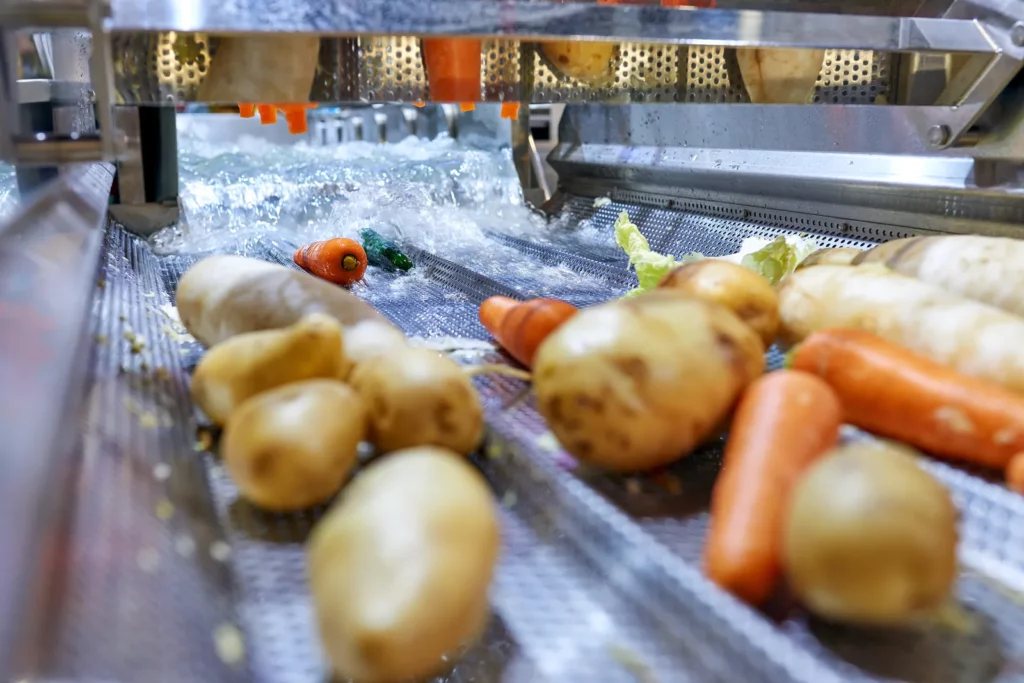
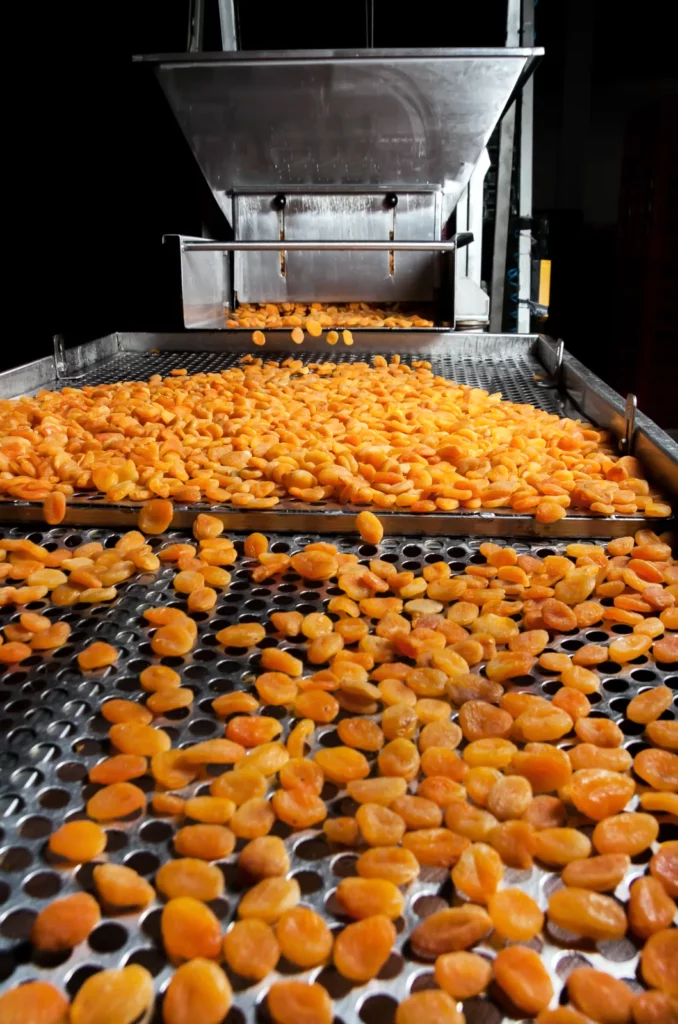
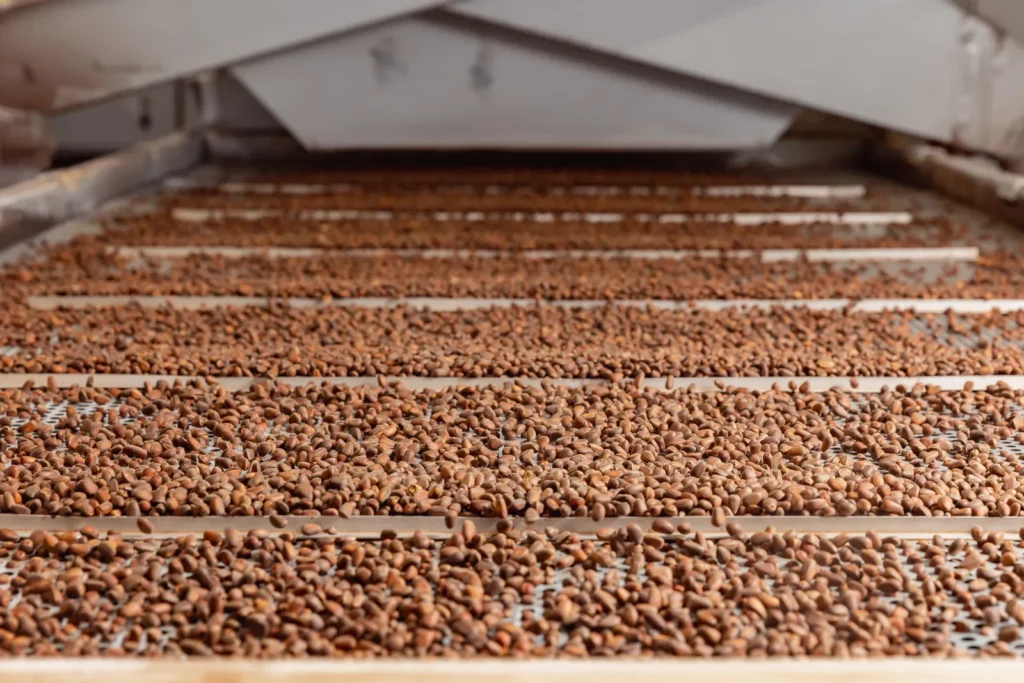
In the food industry, perforated sheet is involved in many processing, separation, baking, drying and draining stages.
It is used to make baking plates and trays, baking and cooling racks, drying and dehydration trays, food sieves, draining and washing baskets, moulds and separation grids, and various components of processing machines. It can also be found in presses, centrifuges, dryers, food conveyors and malting or brewing equipment.
Perforation promotes air circulation, the removal of liquids or moisture, product separation and the passage of materials through equipment.
Choosing stainless steel or other suitable materials also addresses the corrosion, cleaning and hygiene constraints specific to food environments.
For parts intended to come into contact with food, the choice of material, finish and manufacturing process must be defined according to the applicable regulatory requirements.
Applications: bakery, pastry, biscuits, fruit and vegetables, sugar production, malting, food processing, drying, baking, filtration and separation.

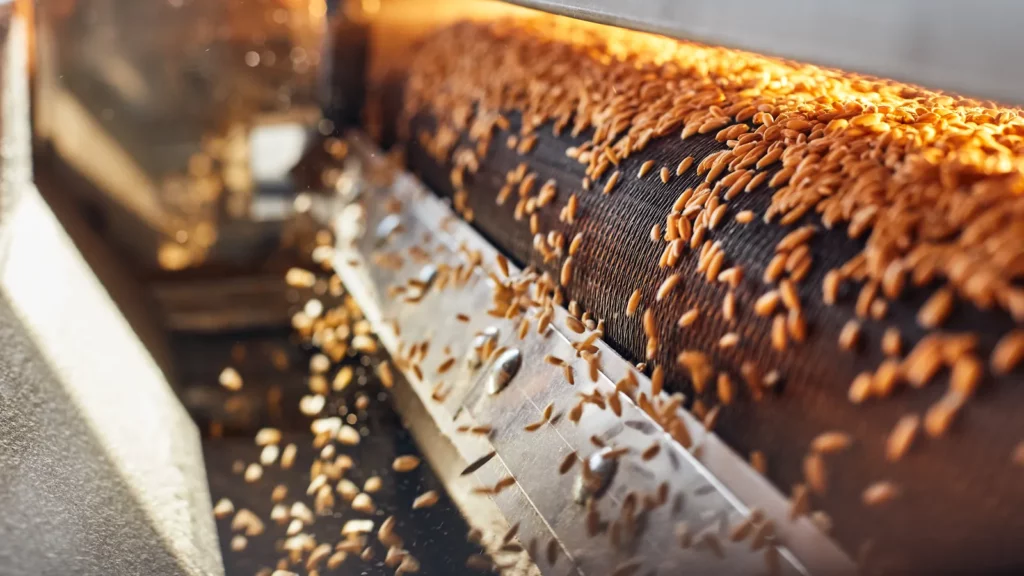
Perforated sheet is widely used in agricultural equipment and grain processing installations.
It is used to make perforated floors for silos and grain bins, ventilation grilles, grain dryer components, sieves, sorting and cleaning grids, and components for agricultural machinery. In drying installations, it lets air pass through the grain while holding the product on its support. It can also be used in winnowing, grading, harvesting and separation machines.
In dryers and silos, perforation lets air pass through the product while holding the grain on its support.
In sorting equipment, the size of the openings separates products according to their size.
Perforated sheet can also be cut and formed to make components specific to agricultural machinery.
Applications: silos, grain dryers, maltings, sorting machines, harvesting machines, cleaning equipment, milling and grain processing.

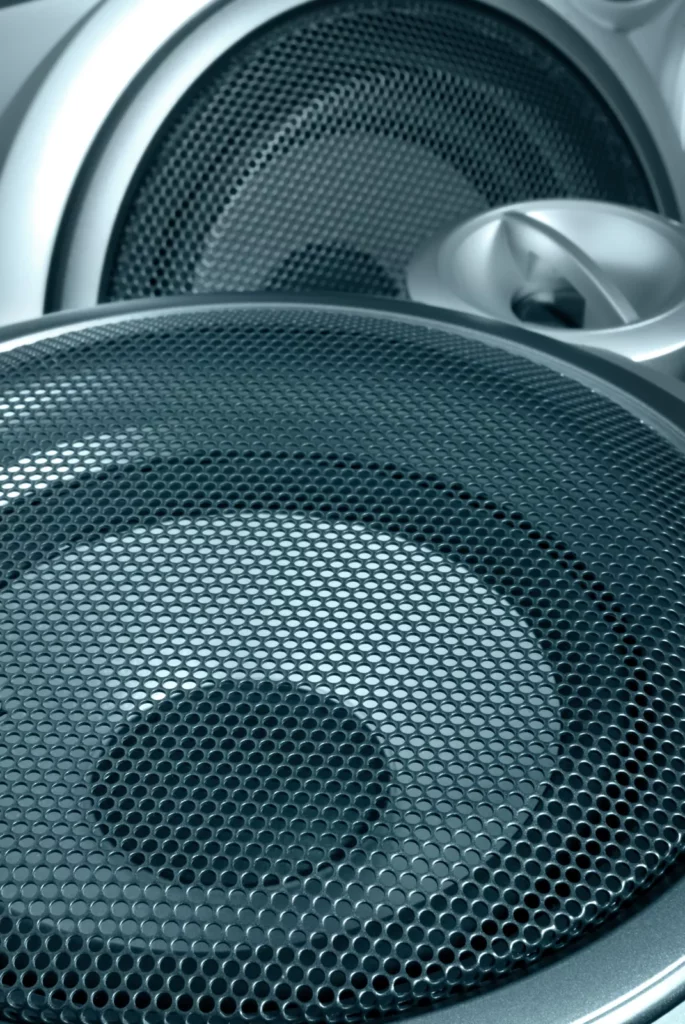
Perforated sheet is used in many acoustic systems.
It is used to make acoustic panels, perforated ceilings, wall panels, partitions, machine enclosures, acoustic housings and various types of industrial silencers. It is generally combined with an absorbent material placed behind the sheet, the perforations allowing sound to reach this material. The combination of hole diameter, open area, sheet thickness and cavity depth allows the acoustic behaviour of the system to be tuned.
In many applications, perforated sheet is combined with an absorbent material placed behind it. The openings then allow sound to reach the absorbent material.
Acoustic behaviour depends on several parameters: hole diameter, open area, sheet thickness, distance between the sheet and the absorbent material, and the characteristics of the acoustic material used.
Perforation can also be built into systems designed to attenuate certain sound frequencies, particularly in industrial equipment, ventilation systems and some acoustic treatment systems.
Perforated sheet thus becomes part of the acoustic system, not just a cladding.
Applications: acoustic panels, ceilings, partitions, machine enclosures, compressors, generator sets, HVAC systems, silencers and plant rooms.

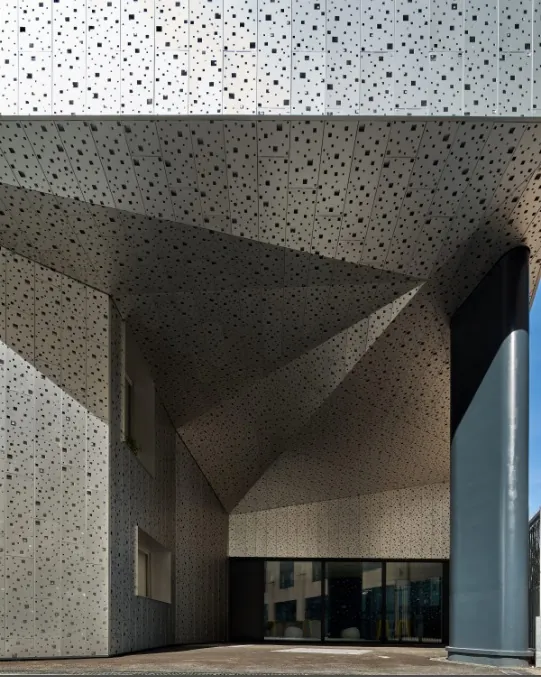
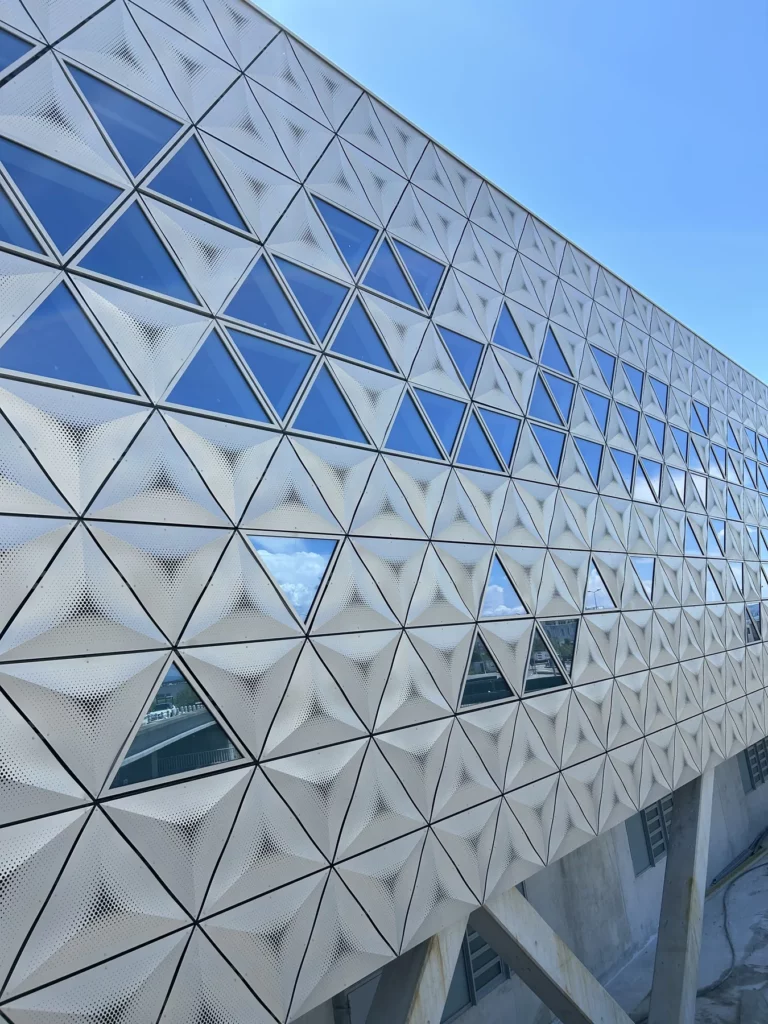
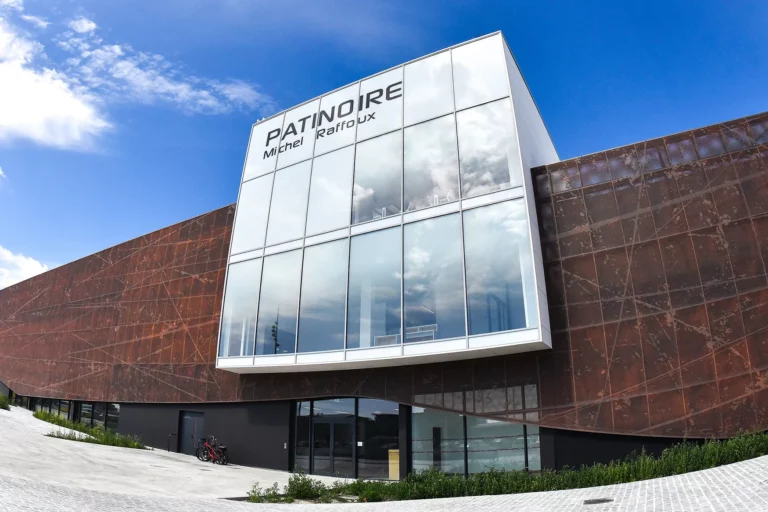
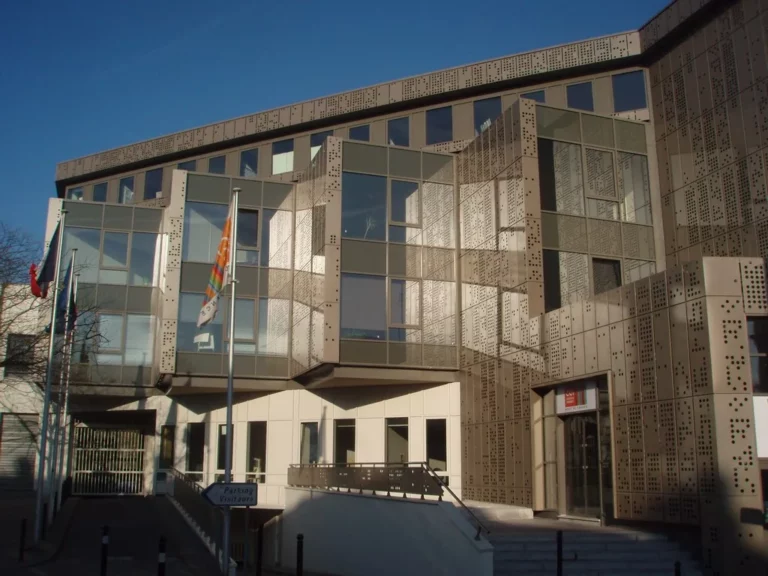
Perforated sheet has become a widely used material in contemporary architecture.
The variety of patterns, hole sizes and open areas makes it possible to create façades and cladding with varying degrees of transparency.
It is used to make façades and cladding, linings, ceilings and suspended ceilings, balustrades, partitions, privacy screens, brise-soleil, screen walls, grilles, equipment enclosures, doors, fences, signage panels and various items of street furniture. The variety of patterns and open areas makes it possible to control transparency, light, shadow and privacy while retaining the aesthetic and mechanical qualities of metal.
Perforation also allows designers to play with light. Depending on orientation and open area, a façade can filter natural light, create interplays of shadow and limit visibility from outside.
In some designs, a single sheet can therefore perform several functions at once:
Aesthetics, solar shading, ventilation, transparency and privacy.
Choosing aluminium, steel, stainless steel or other materials allows the solution to be adapted to architectural and environmental constraints.
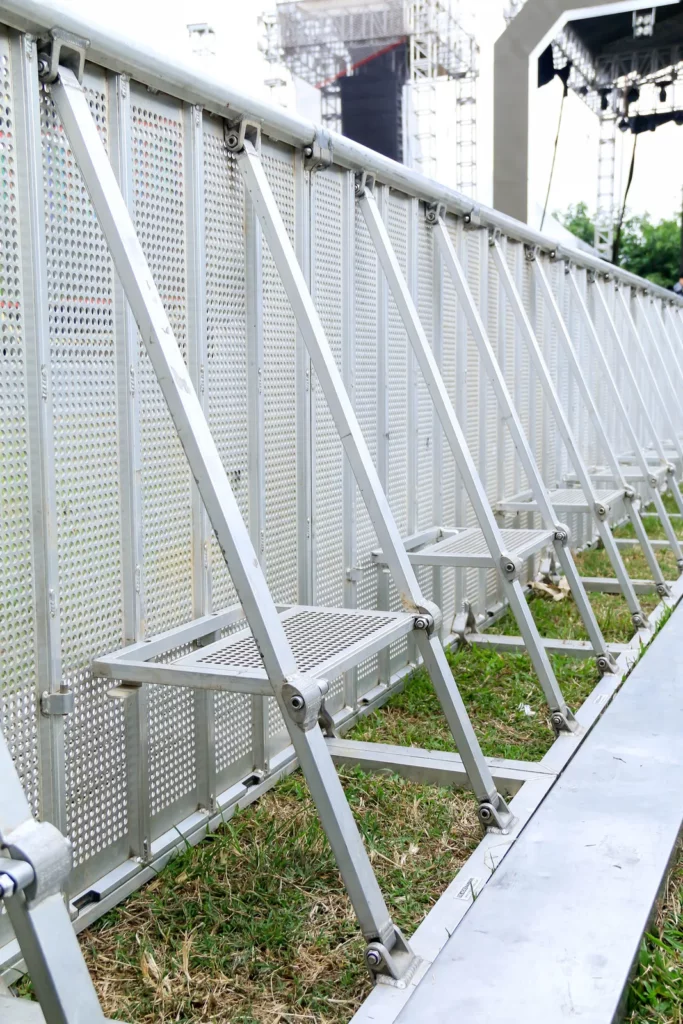
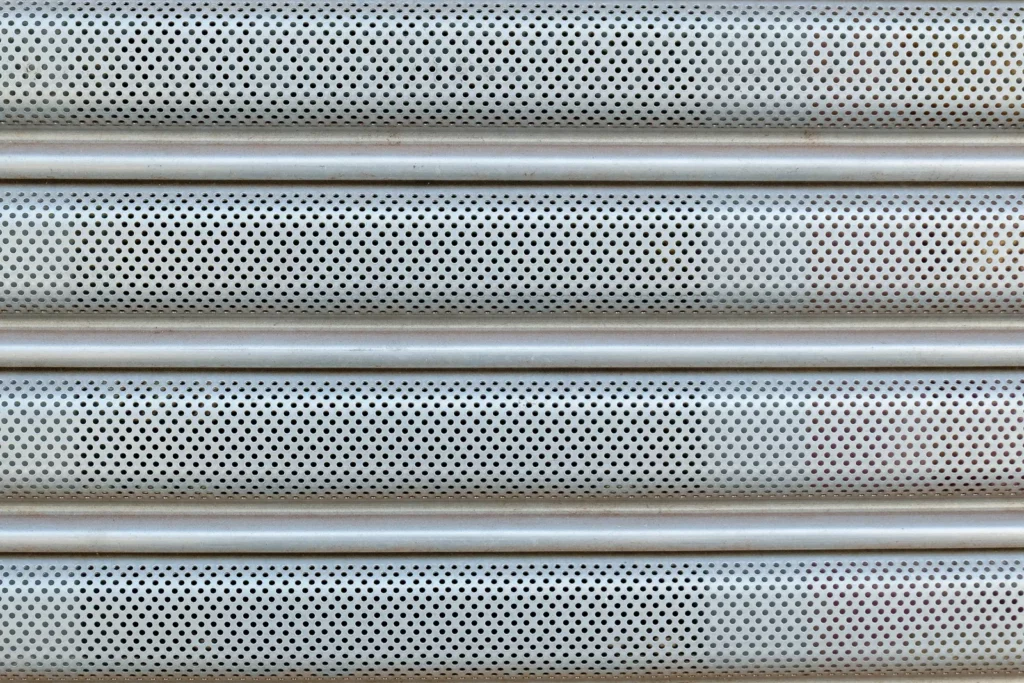
Perforated sheet makes it possible to create metal guards that combine strength, visibility and airflow.
It is used to make guards, covers, machine guards, guards for conveyors, motors, fans and transmissions, as well as protective panels and partitions around robots and automated cells. Perforation creates a metal barrier while keeping the equipment visible and promoting its ventilation.
Unlike solid sheet, perforation keeps the protected equipment visible and promotes its ventilation.
It can therefore be particularly useful in industrial environments where visual monitoring of a machine must be maintained.
For machine safety applications, the geometry of the openings must of course be defined according to the risk and the applicable requirements.
Applications: machine tools, robots, conveyors, motors, fans, automated equipment, production lines and industrial installations.
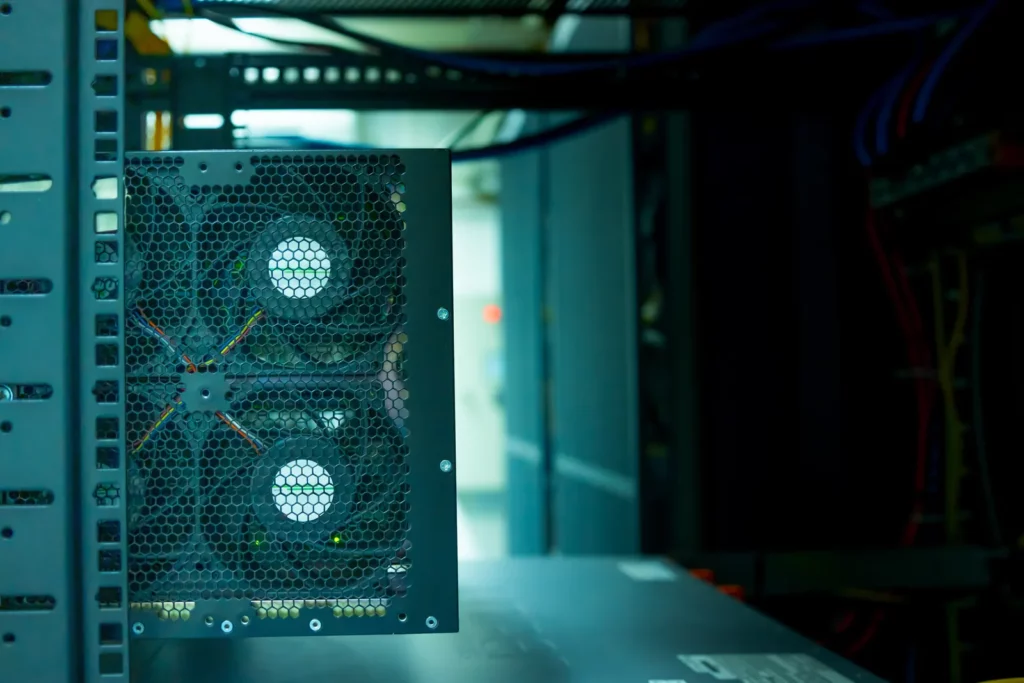
Electrical and electronic equipment often needs to dissipate heat while remaining protected from its environment.
It is used to make cable trays, electrical cabinet doors, ventilation panels, covers, grilles, rack enclosures and equipment guards. It promotes heat dissipation while maintaining mechanical protection of the components. It is found in electrical cabinets, power equipment, UPS units, converters, telecom equipment and various electronic installations.
It is used in electrical cabinets, electronic equipment, converters, UPS units, telecom equipment, technical racks and IT infrastructure.
In some applications, a perforated metal enclosure can also help control electromagnetic interference while allowing the equipment to be ventilated.
The design must then take into account the frequency concerned, the size of the openings, the electrical continuity of the enclosure and the overall design of the system.
Applications: electrical cabinets, power electronics, telecommunications, data centres, UPS units, converters and industrial equipment.
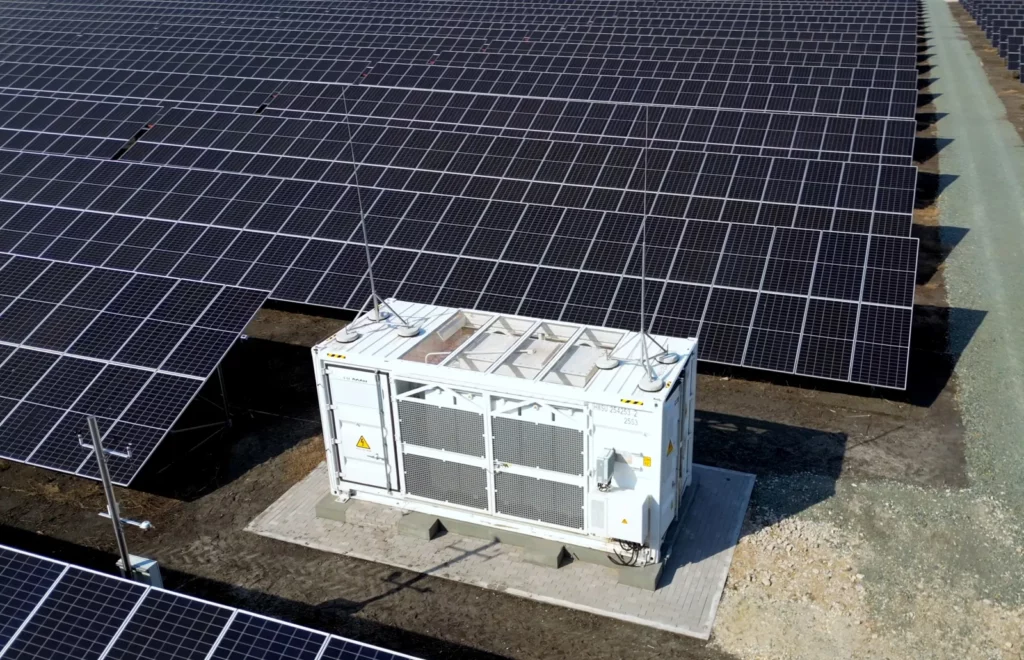
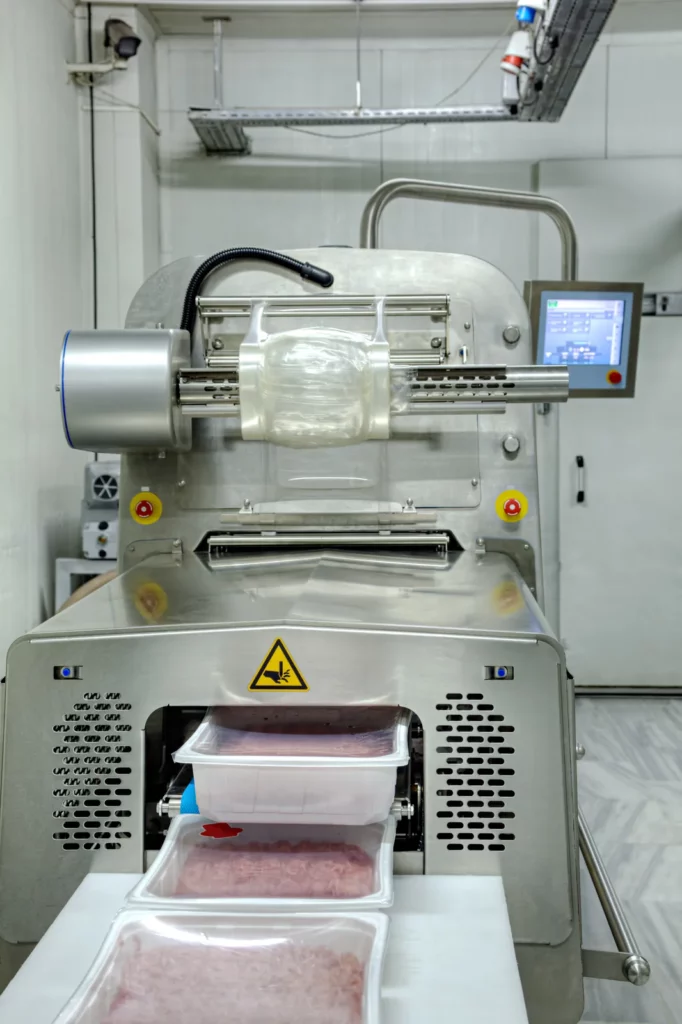
Many industrial and electronic devices must dissipate the heat they generate during operation.
Perforated sheet makes it possible to create surfaces that promote natural or forced air circulation around components.
It is used to make radiator grilles and guards, ventilated covers, cooling grilles, ventilation panels, fan guards and casings for generator sets, chillers, heat pumps, motors, converters and power equipment. Perforation promotes air circulation around equipment and combines cooling, mechanical protection and weight reduction.
Open area, hole geometry and available surface are therefore important parameters for promoting airflow.
This function is particularly useful when you need to combine:
cooling + mechanical protection + low weight + aesthetics.
Applications: power electronics, electrical cabinets, motors, chillers, HVAC equipment, batteries, converters and industrial machinery.
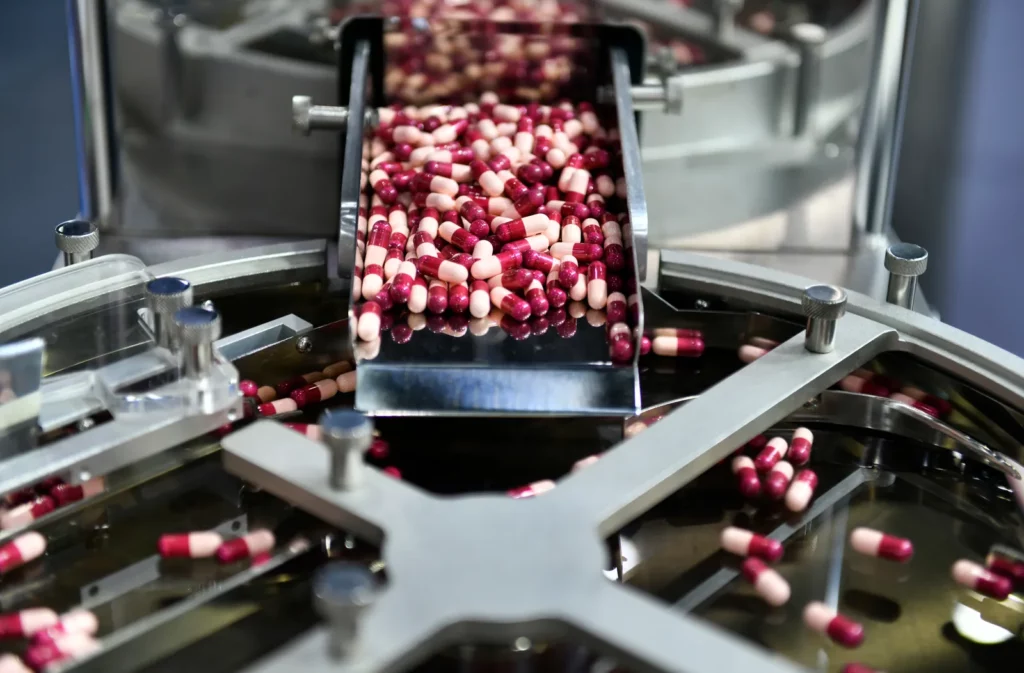
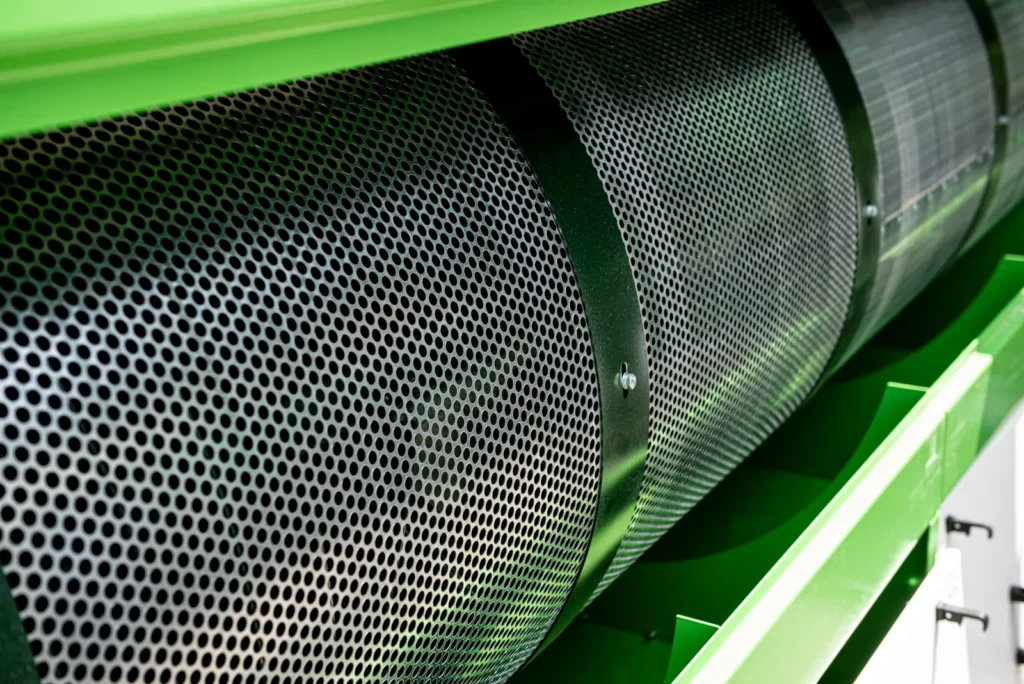
Perforated sheet is used in many industrial processing and treatment installations.
It is used to make centrifuge baskets, drying baskets, filters, filter plates, filter support tubes, strainers, separation plates, sieves and various process machine components. It can also be used in some electrolysis and separation applications. In these environments, the choice of material is particularly important to take account of corrosion, temperature, pressure and chemical compatibility.
The choice of material is particularly important in these environments to take account of corrosion, temperature, pressure and chemical compatibility with the products being processed.
Being able to perforate and then form the sheet also makes it possible to produce specific components tailored directly to the geometry of the equipment.
Applications: chemicals, petrochemicals, pharmaceuticals, fluid treatment, filtration, centrifugation, drying and electrolysis.
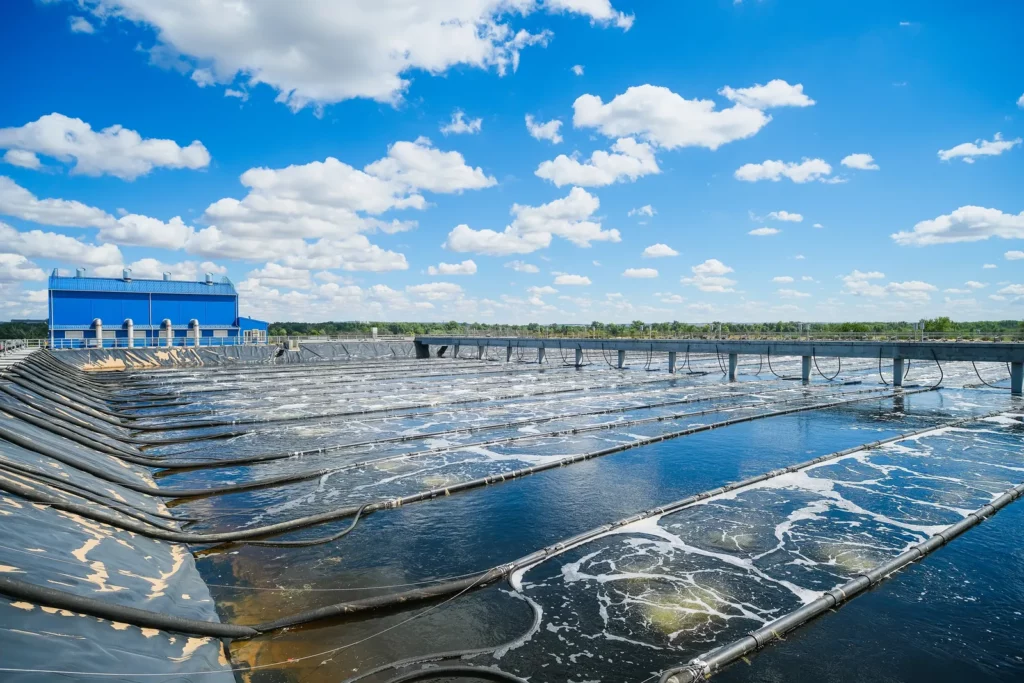
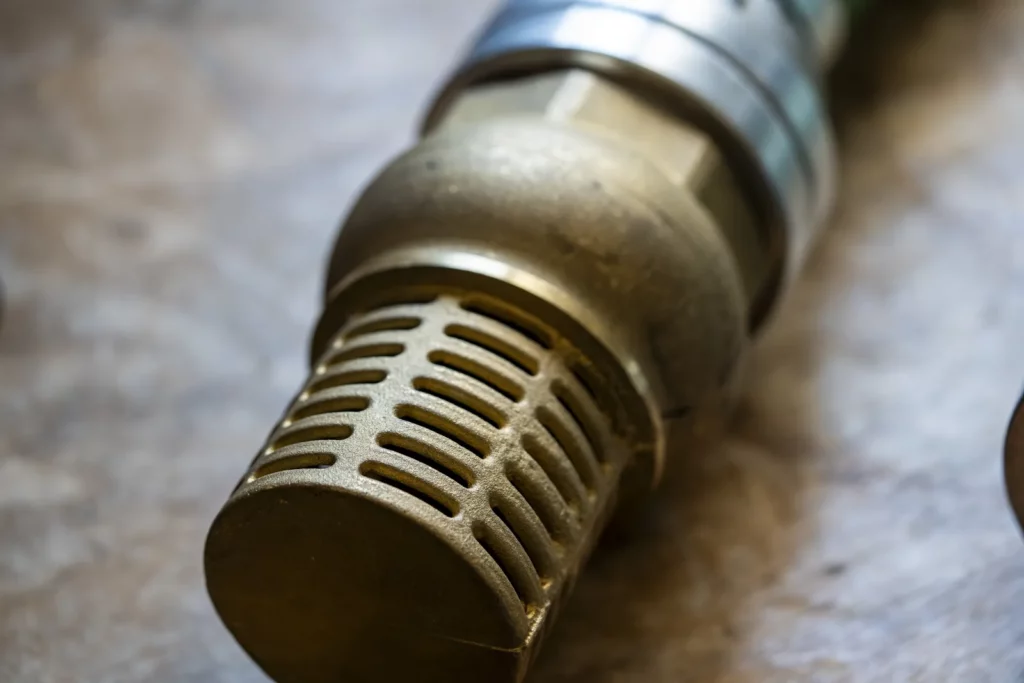
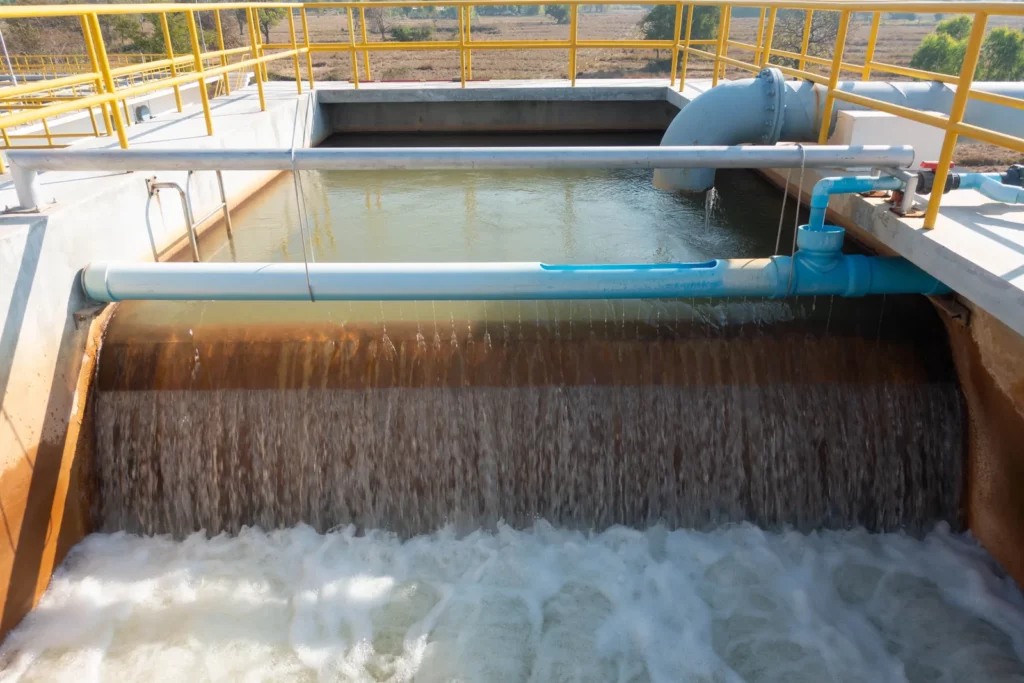
Perforated sheet is used in water and fluid treatment equipment.
It is used to make strainers, water filters, water intake screens, screens, filter baskets, filter plates and perforated tubes. It retains certain particles while letting water or fluid flow through. Depending on the application, it can also be used in pumping, filtration, drainage and solid-liquid separation equipment.
The choice of opening depends on the function required: letting water through while retaining certain particles, protecting equipment or providing an initial mechanical separation.
The material and finish are chosen according to water quality, the environment and the operating conditions.
Applications: water treatment, filtration, pumping, strainers, industrial installations and fluid treatment equipment.

In the automotive, rail and transport sectors, perforated sheet is used when a single component must perform several functions.
It is used to make front and radiator grilles, ventilation grilles, radiator guards, air or oil filters, silencer components, heat shields, equipment guards and various trim elements. It combines airflow, protection, mechanical strength and weight reduction. Perforated parts can also be formed, bent or rolled to match the geometry of the vehicle or system into which they are integrated.
In the rail sector, it is also used for acoustic panels, equipment guards, covers, floors, steps, walkways and various filtration or cooling elements.
The ability to choose the material, thickness and perforation pattern precisely allows the part to be adapted to constraints of weight, strength, temperature, vibration and corrosion.
Applications: automotive, rail, public transport, industrial vehicles, on-board equipment and transport infrastructure.
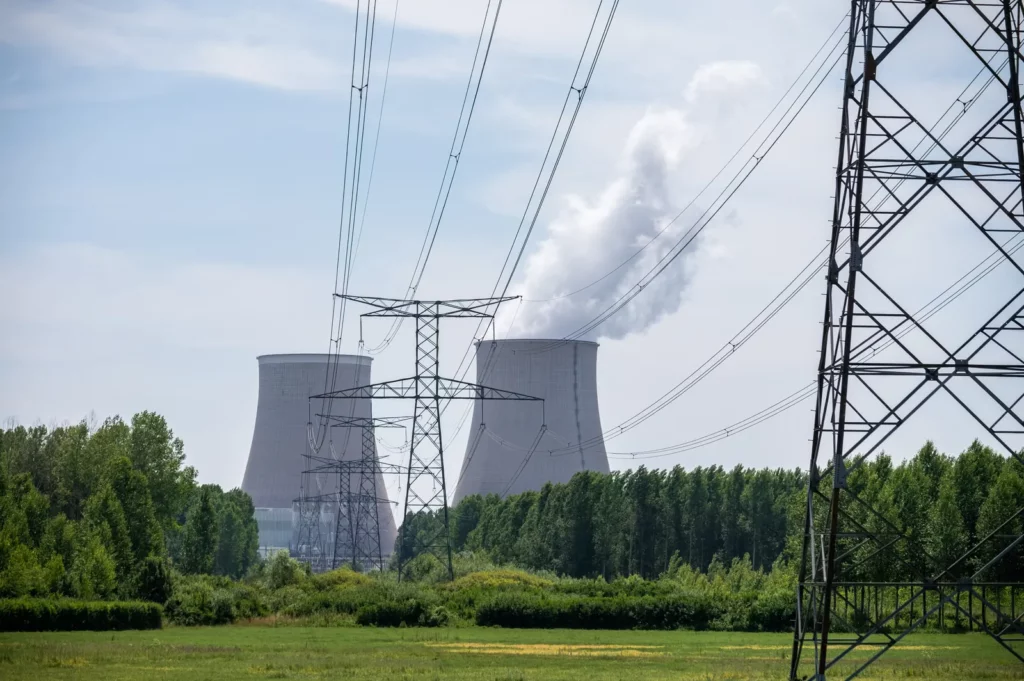
Perforated sheet has many applications in the energy sector.
It is used to make distribution panels, electrical cabinets, cabinet doors, cable trays, battery separators, radiator guards, ventilation grilles, electrical equipment covers and various cooling components. Perforation combines ventilation, mechanical protection, rigidity and weight reduction in power generation and distribution equipment.
It can also be used in certain components associated with batteries and electrical equipment.
In these applications, perforation often combines several functions: ventilation, protection, rigidity and weight reduction.
Applications: power generation, electrical distribution, batteries, electrical equipment, cabinets, transformers, cooling systems and industrial installations.
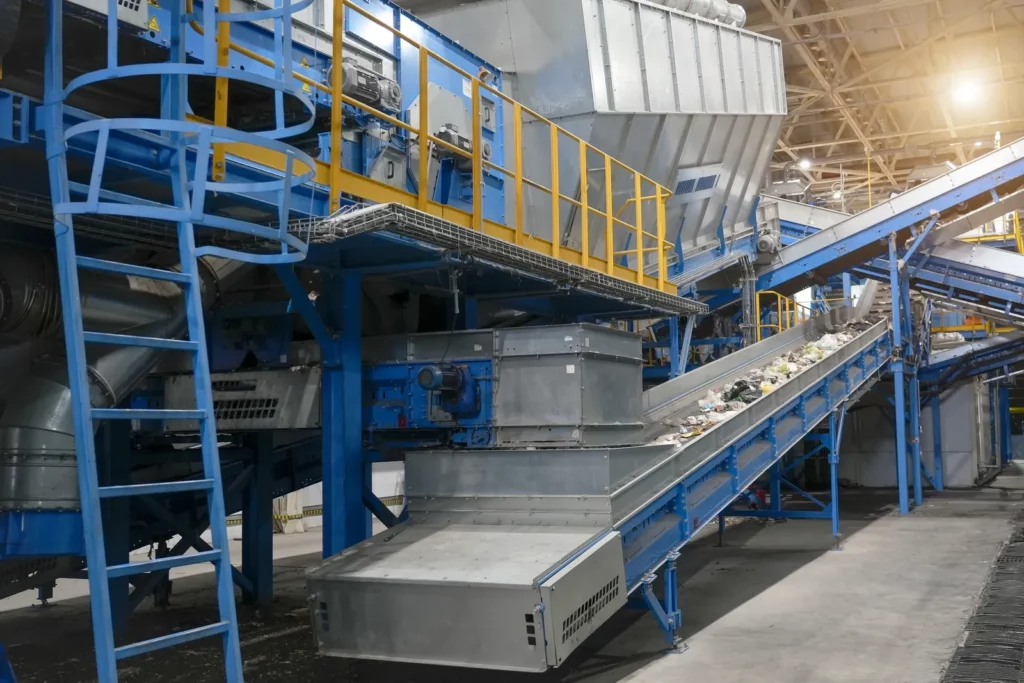
In recycling, perforated sheet is mainly used to separate materials according to their size.
It is used to make screens, sorting drums, rotary or vibrating screens, separation grids and panels, and various components of waste processing and recovery machines. The openings separate the different material fractions according to their size. Perforated sheet can also be rolled or formed to make sorting drums and cylinders.
The openings are chosen according to the required particle size.
Being able to produce perforated parts that are then rolled or formed makes it possible to manufacture sorting drums and cylinders suited to industrial equipment.
Applications: recycling, waste treatment, material sorting, waste recovery, screening and separation.

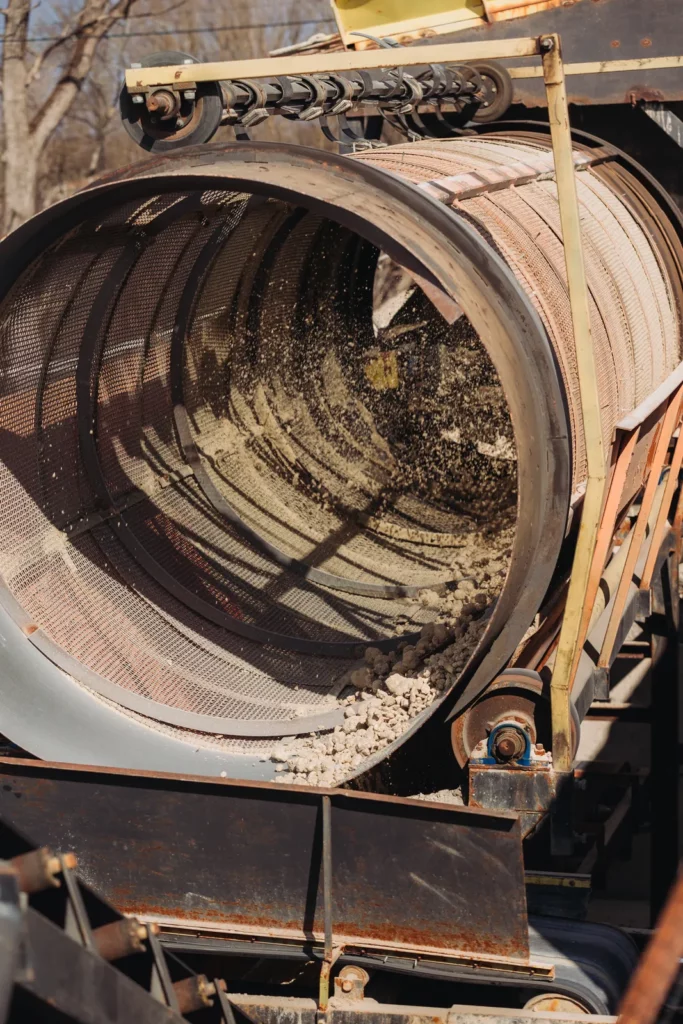
Quarry and ore processing installations use perforated sheet to create screening and separation surfaces.
It is used to make screening panels, sorting grids, vibrating and rotary screens, screening drums, washing grids and various separation elements. It can also be integrated into certain crushing, grinding, conveying and material handling equipment. In these particularly demanding applications, the choice of thickness, material and hole geometry must take account of abrasion, impacts, vibration and material throughput.
In these particularly demanding environments, the choice of thickness, material and perforation geometry must take account of abrasion, impacts, vibration and material throughput.
Applications: quarries, mines, aggregates, sand, ores, coal, building materials and recycling.
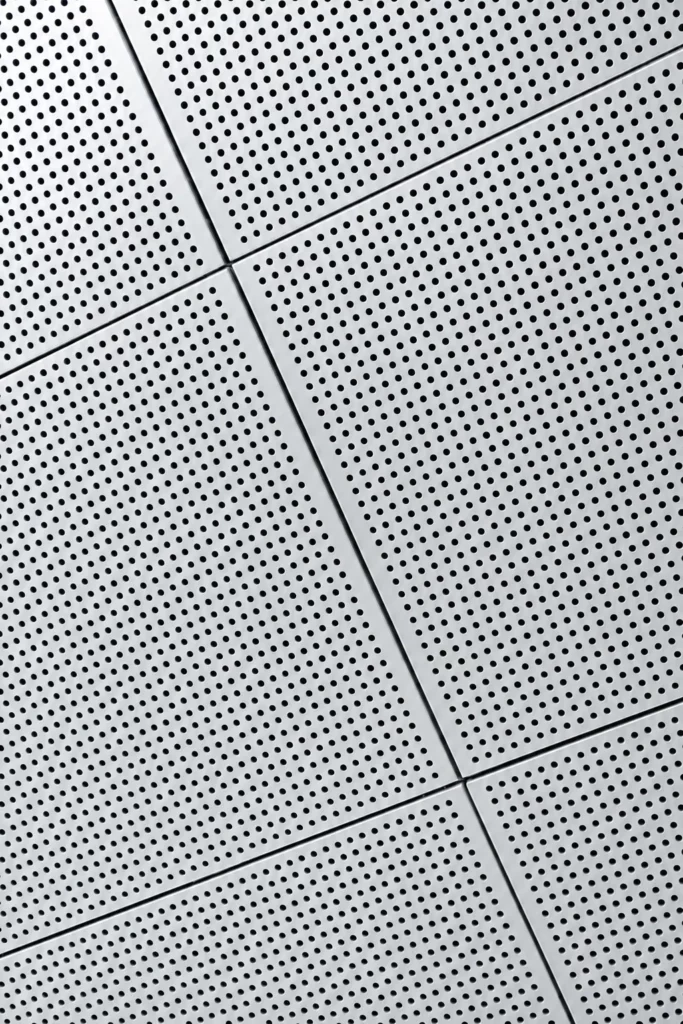

In construction, perforated sheet can be used for both technical and decorative functions.
It is used to make treads, stairs, walkways, raised floors, ventilation and heating grilles, radiator covers, equipment guards, technical cladding, acoustic panels, façades, sun screens, balustrades, railings, balcony panels, gates, fences and screens.
Perforation creates metal surfaces that look light while keeping a strong architectural presence.
It also makes it possible to work with light, ventilation and transparency.
Applications: office and commercial buildings, housing, shops, public facilities, car parks, halls, offices and industrial buildings.
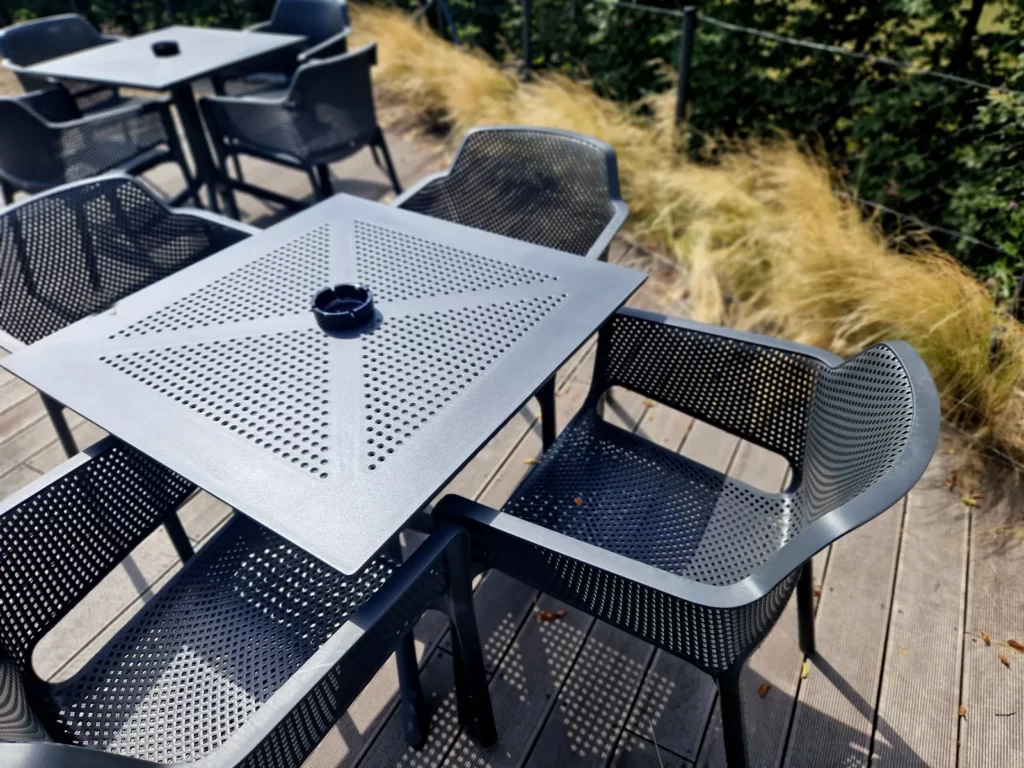
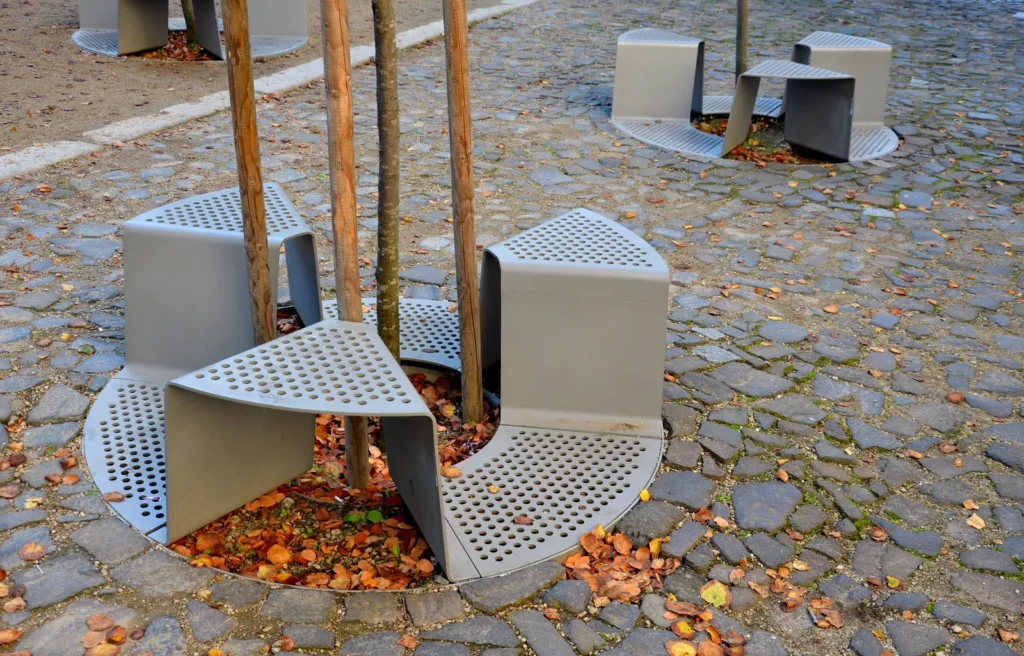
Perforated sheet is also used in furniture and interior fit-out.
It is used to make tables, chairs, benches, shelves, racking, displays, dividing panels, partitions, cabinet doors, fronts, counter cladding, product holders, baskets and various decorative elements
The variety of patterns creates very different visual effects, from discreet technical perforation to a strongly recognisable decorative pattern.
It can thus combine visual lightness, strength, ventilation and design.
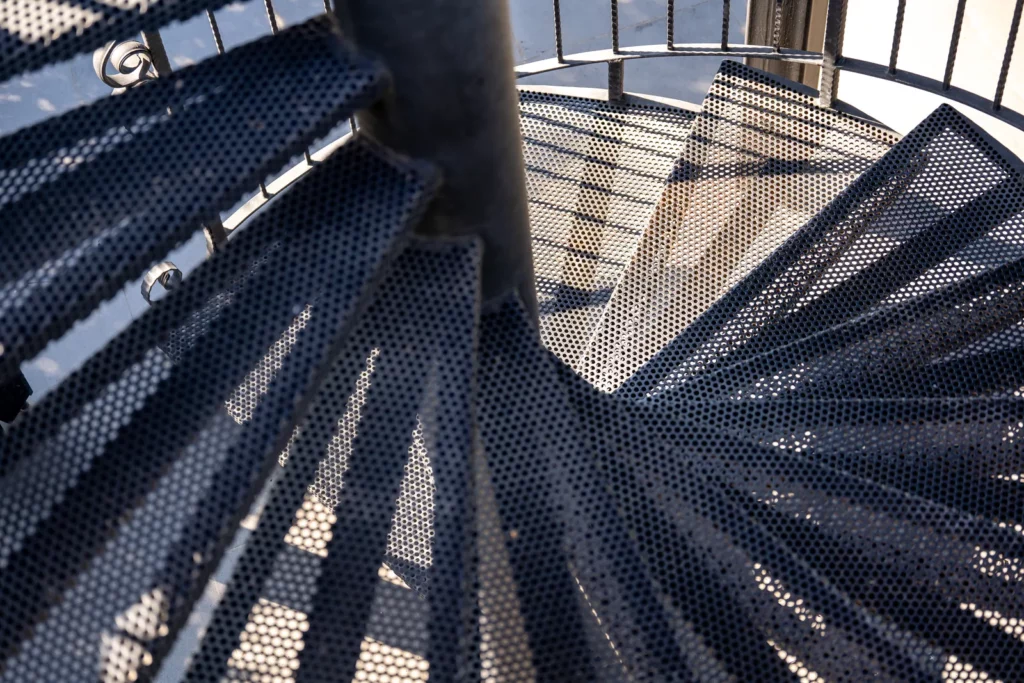
Some perforated sheets can be used to make stair treads, platforms, walkways or access elements.
Perforation allows water and some debris to drain away and can help reduce the weight of the part.
For applications requiring slip resistance, perforation or relief geometries specifically designed for this function can be used.
The product must be chosen to suit the loads, operating conditions and safety requirements of the installation.
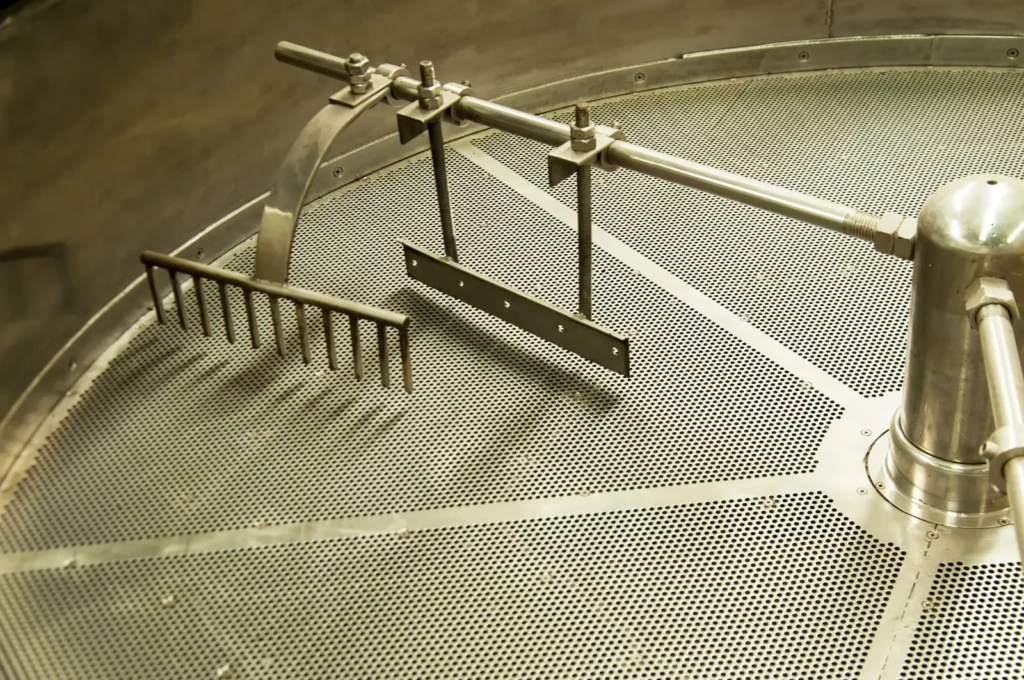
Perforated sheet can be integrated directly into industrial equipment.
It is used to make conveyor plates and components, perforated belts, drying or baking conveyors, food conveyors, vacuum tables, positioning plates and various components of sorting or separation machines.
In these applications, perforation can allow a product to be conveyed while air or a fluid passes through at the same time.
The perforated part then becomes a true functional component of the machine.
Our approach
At TPS, perforation is the starting point of a metal solution designed around the customer’s application.
Depending on requirements, the perforated sheet can then be cut, bent, rolled, deep drawn or processed to become a part that can be fitted directly into equipment.
This approach meets needs ranging from perforated material to technical parts ready for assembly.
Our aim: not just to supply a sheet with holes in it, but to help design the perforation suited to the required function.
From ventilation to filtration, from food processing to industry, from architecture to transport, perforated sheet offers a unique combination of functionality, strength, lightness, fluid flow and design freedom.
TPS puts its perforation expertise at the service of these applications to develop solutions tailored to each customer’s technical and industrial constraints.
Projects
Send us your drawing or specifications: our team will study your needs and propose a suitable solution.
Search the site
Enter: see all results · Esc: close